
Choosing the Perfect Outdoor Restaurant Tables: A Guide for Restaurant Owners
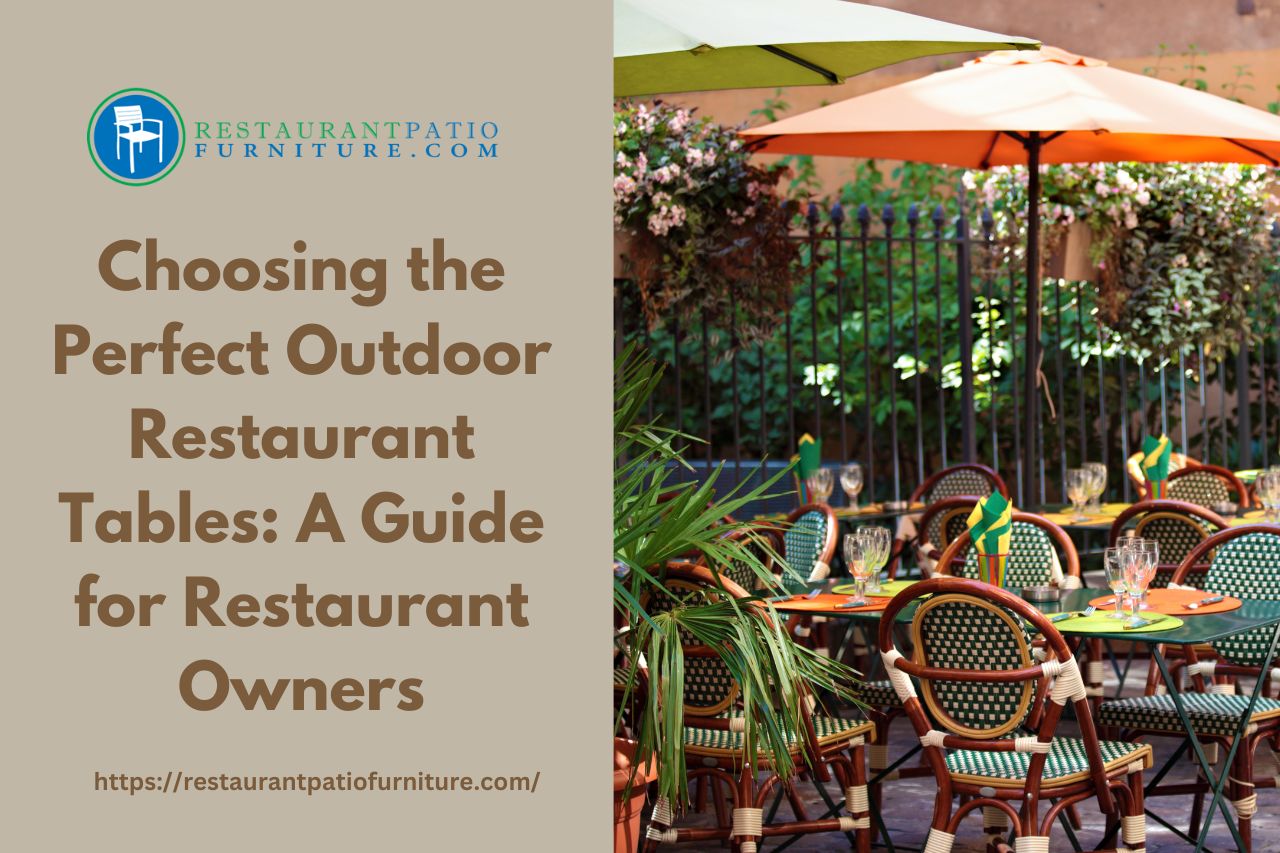
When it comes to creating a welcoming and enjoyable outdoor dining experience, choosing the perfect outdoor restaurant tables is crucial. The outdoor seating area of your restaurant plays a significant role in attracting customers and creating a comfortable ambiance. Outdoor restaurant tables come in various shapes, sizes, materials, and styles, each offering its unique benefits. In this article, we will explore the factors to consider when choosing the right outdoor restaurant tables for your space, ensuring that you make informed decisions that align with your restaurant’s theme and requirements.
Factors to Consider When Choosing The Perfect Outdoor Restaurant Tables
1. Space Availability
Before diving into the exciting world of outdoor restaurant tables, it is essential to assess the available space in your restaurant’s outdoor area. Consider the dimensions, shape, and layout of the space to determine how many tables you can comfortably accommodate. This will help you choose the appropriate table sizes and configurations without overcrowding or compromising the flow of movement for both staff and customers.
2. Durability and Weather Resistance
Outdoor restaurant tables are exposed to various weather conditions, including rain, wind, heat, and even the occasional hailstorm. It is crucial to select tables that are built to withstand these elements and maintain their structural integrity over time. Look for materials such as aluminum, stainless steel, teak, or poly lumber, which are known for their durability and weather resistance. These materials will ensure that your tables remain in top condition, saving you money on replacements and repairs in the long run.
3. Maintenance Requirements
As a restaurant owner, you have numerous responsibilities to juggle, and spending excessive time on table maintenance may not be feasible. Opt for outdoor tables that are low-maintenance and easy to clean. Materials like aluminum and stainless steel are not only durable but also require minimal upkeep. They can be quickly wiped clean with a damp cloth, saving you valuable time and effort.
4. Style and Aesthetics
The style and aesthetics of your outdoor restaurant tables play a significant role in creating a cohesive and visually appealing dining environment. Consider the overall theme and design of your restaurant when selecting tables. Are you going for a modern and sleek look or a more rustic and traditional vibe? Choose tables that complement the existing decor and enhance the ambiance you wish to create. Harmonizing the style of your tables with the overall atmosphere will leave a lasting impression on your customers.
5. Comfort and Ergonomics
While aesthetics are essential, never compromise on comfort and ergonomics. Your customers should feel comfortable and at ease while dining at your establishment. Choose outdoor restaurant tables that are the appropriate height and provide adequate legroom. Opt for chairs or benches that offer proper support and cushioning. Remember, the more comfortable your customers are, the longer they are likely to stay and enjoy their dining experience.
6. Flexibility and Versatility
Flexibility is key when it comes to outdoor dining spaces. Consider choosing outdoor restaurant tables that offer flexibility and versatility in terms of arrangement and configuration. Look for tables that can be easily moved or combined to accommodate different party sizes. This adaptability allows you to maximize your seating options and cater to varying group sizes, ensuring that no potential customers are turned away due to a lack of available seating.
Types of Outdoor Restaurant Tables
Now that we have covered the essential factors to consider, let’s explore the different types of outdoor restaurant tables available in the market. Each type has its unique characteristics, and understanding these options will help you make an informed decision.
1. Aluminum Tables
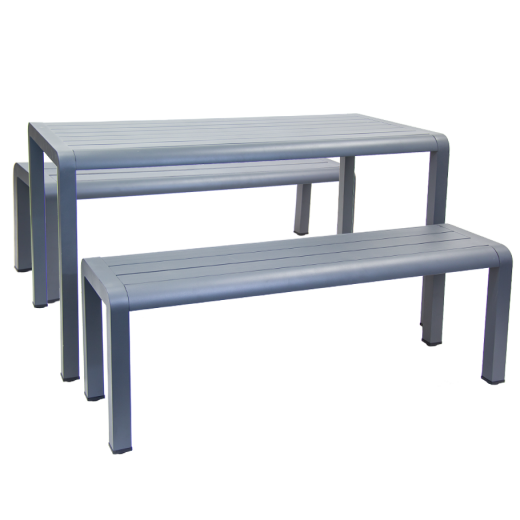
Aluminum tables are a popular choice for outdoor restaurant seating due to their lightweight nature and exceptional durability. They are resistant to rust, making them ideal for areas with high humidity or proximity to the ocean. Aluminum tables are available in various styles and finishes, allowing you to find the perfect match for your restaurant’s aesthetic.
2. Stainless Steel Tables
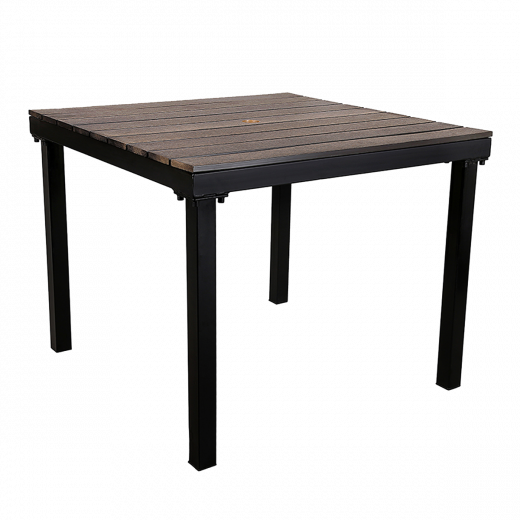
Stainless steel tables offer a sleek and modern look while providing excellent durability and resistance to the elements. They are easy to clean and maintain, making them a practical choice for busy restaurant owners. Stainless steel tables are often found in contemporary or minimalist outdoor dining spaces.
3. Teak Tables
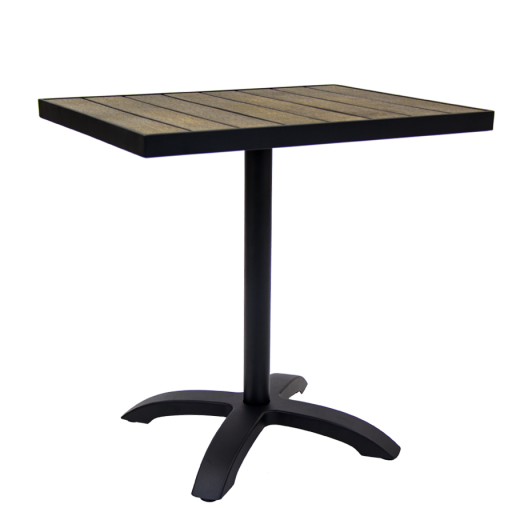
If you are aiming for a more natural and rustic ambiance, teak tables are an excellent option. Teak is a dense and durable hardwood that can withstand harsh weather conditions. Over time, teak develops a beautiful silver-gray patina, adding character to your outdoor space. These tables are often seen in upscale restaurants or those with a tropical theme.
4. Poly Lumber Tables
Poly lumber tables are an eco-friendly choice for outdoor restaurant seating. Made from recycled plastic, these tables are resistant to fading, cracking, and warping. They require minimal maintenance and are available in a wide range of colors and styles. Poly lumber tables are a great option for those looking for a sustainable and long-lasting outdoor furniture solution.
5. Wrought Iron Tables
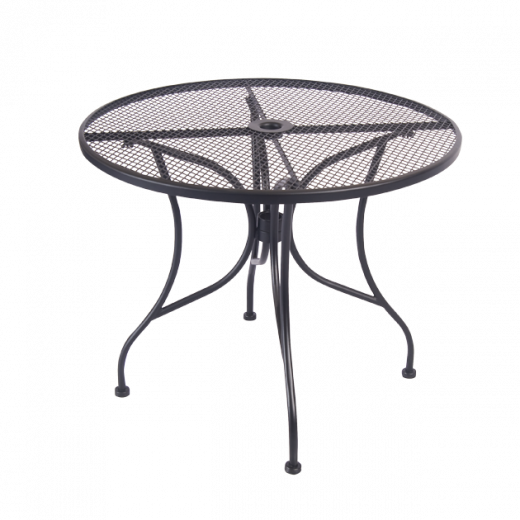
Wrought iron tables exude a classic and elegant charm that can elevate the overall aesthetic of your outdoor dining area. They are known for their sturdiness and can withstand strong winds and heavy use. Wrought iron tables often feature intricate designs and detailing, making them a focal point of the outdoor space.
FAQs About Choosing the Perfect Outdoor Restaurant Tables
The ideal table height for outdoor dining is typically around 28 to 30 inches. This height allows for comfortable seating and ensures that customers can easily reach their food and beverages without straining.
The choice between round and rectangular tables depends on the layout and available space of your outdoor area. Round tables are great for creating a cozy and intimate atmosphere, while rectangular tables are more practical for accommodating larger groups.
Yes, mixing and matching different types of outdoor restaurant tables can add visual interest and create a dynamic seating arrangement. Just ensure that the tables you choose are cohesive and complement each other in terms of style and aesthetics.
The number of outdoor restaurant tables you should have depends on the size of your outdoor space, your target customer base, and your restaurant’s capacity. It is essential to strike a balance between maximizing seating and providing enough space for customers to move comfortably.
Yes, using umbrellas with outdoor restaurant tables is a great way to provide shade and protect your customers from direct sunlight or light rain. Ensure that the umbrellas are sturdy and can withstand wind gusts.
Table umbrella heaters can be a fantastic addition to your outdoor dining area during colder months. They provide warmth and comfort, allowing customers to enjoy outdoor seating even in chilly weather. However, make sure to follow safety guidelines and local regulations when using outdoor heaters.
Choosing the right size outdoor table depends on how your space is arranged and how many guests you plan to seat. Smaller two-top and four-top tables are commonly used in patios because they allow more flexibility when arranging layouts.
Rectangular tables work well for larger groups or shared seating areas. It is important to leave enough space between tables for staff movement and guest comfort.
Both indoor and outdoor layouts should support clear walkways while still maximizing seating capacity. Many restaurants use a mix of table sizes to accommodate different group types while maintaining a balanced and efficient outdoor dining setup.
Square and round tables both have their place in outdoor restaurant layouts, and the best choice depends on how the space is used. Square tables are easier to align in rows and can be combined to form larger seating arrangements when needed.
Round tables are often used in smaller or more compact spaces because they allow smoother movement around them. They also encourage conversation by creating equal seating positions. Bistros and intimate cafes with outdoor seating tend to utilize round tables for this very reason.
Many outdoor dining areas combine both shapes for variety and mixed purposes. The decision should be based on space efficiency, guest flow, noise level, and seating flexibility.
Outdoor restaurant tables must be able to handle exposure to sun, rain, and temperature changes. Aluminum tables are widely used because they are lightweight and resistant to rust. Powder-coated metal tables offer added durability and protection against weather conditions.
Metal tables are another strong option, as they resist moisture and require minimal maintenance. Teak and other treated wood tables can also perform well outdoors when properly maintained. Marble or sintered stone table tops are commonly used because they handle heat, moisture, and daily wear.
Uneven outdoor surfaces can cause tables to wobble, which affects both comfort and stability. One common solution is to use table bases designed with adjustable glides, allowing small height adjustments to stabilize the table. Heavier bases, such as those made from metal or cast iron, also help keep tables steady in outdoor conditions. Placing tables on level surfaces whenever possible can reduce movement.
In some cases, outdoor flooring solutions can be used to create a more even base. Choosing sturdy table bases and checking stability during setup helps create a more consistent and comfortable dining experience for guests.
Standard dining height tables are the most commonly used option for outdoor restaurant seating. These tables typically pair with standard chairs and provide a comfortable setup for most guests. Bar-height tables may also be used in outdoor spaces, especially in areas designed for quick service or casual seating. These tables are paired with bar stools and can help create variety within the layout.
The choice between standard and bar height depends on how the outdoor space is intended to function. Many restaurants use a combination of both to support different seating preferences while maintaining a consistent and
Folding outdoor tables are a practical choice for restaurants that need flexibility in their layout. They are easy to set up, move, and store, making them useful for patios with changing seating needs or limited storage space. Many folding tables are built with weather-resistant materials such as powder-coated metal frames and durable tabletops, allowing them to handle outdoor conditions.
In addition to convenience, folding tables are often used for events, overflow seating, or seasonal patio expansions. When not in use, they can be quickly folded and stored to free up space. Choosing models with sturdy locking mechanisms and stable legs helps ensure safety and consistent performance during service.organized design.
Protecting outdoor tables during the off-season helps extend their lifespan and maintain their appearance. One approach is to store tables indoors when they are not in use for extended periods. If indoor storage is not available, covering tables with weather-resistant covers can reduce exposure to rain and debris.
Cleaning tables before storage helps prevent buildup that can affect surfaces over time. For materials like wood, occasional treatment may help maintain their condition.
Metal and aluminum tables benefit from being kept dry when possible. Taking these steps helps outdoor restaurant furniture stay in good condition and ready for use when the season changes.
Choosing the right outdoor tables comes down to balancing durability, functionality, and flexibility for your space. From weather-resistant materials to stable bases and practical features like folding designs, each decision plays a role in how your patio performs day to day. At RestaurantPatioFurniture.com, you can find a wide selection of commercial-grade patio tables designed for real restaurant use—whether you need fixed layouts or adaptable solutions for changing seating needs. With reliable construction and styles suited for different environments, the right tables can help create an outdoor dining space that stays functional, comfortable, and ready for service year-round.
Conclusion
Choosing the perfect outdoor restaurant tables is an important decision that can significantly impact your restaurant’s outdoor dining experience. Consider factors such as space availability, durability, maintenance requirements, style, comfort, and flexibility when making your selection. Explore various types of outdoor restaurant tables like aluminum, stainless steel, teak, poly lumber, and wrought iron to find the perfect match for your restaurant’s theme and requirements. By investing in the right outdoor restaurant tables, you can create an inviting atmosphere that attracts customers and leaves a lasting impression.


