
The Ultimate Guide to Choosing the Right Restaurant Chairs and Bar Stools
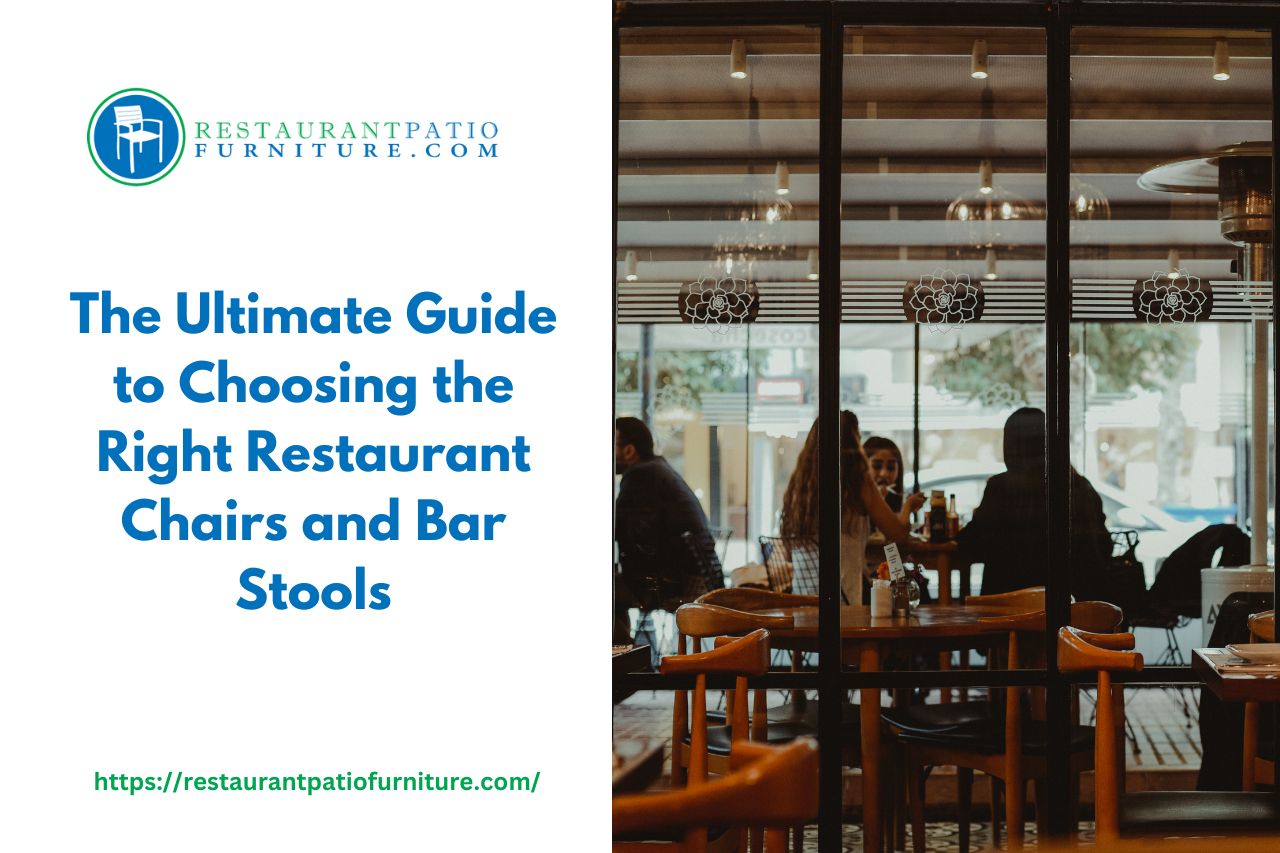
Style Match: Setting the Scene
First things first, your furniture should tie the knot with your restaurant’s vibe. Whether you’re channeling rustic charm, industrial chic, or modern minimalism, your chairs and stools should sing the same tune. Here’s a cheat sheet:- Classic and Traditional: Think of warm wood tones, upholstered armchairs, and elegant benches.
- Modern and Minimalist: Opt for clean lines, sleek metal frames, and pops of color in acrylic or plastic.
- Rustic and Industrial: Rough-hewn wood, distressed leather, and metal with exposed rivets will bring the raw appeal.
- Eclectic and Quirky: Embrace the mix-and-match! Play with bold prints, vintage finds, and unexpected pairings.
Comfort is King (and Queen): Crafting a Relaxing Retreat
Happy diners stay diners. Prioritize comfort by considering:- Seat height and depth: Ensure diners’ feet comfortably touch the floor and their backs have ample support. Standard chair heights are 18″ for dining tables and 29″ for bar counters.
- Backrest type: Full backs offer maximum support, while open backs create a lighter feel. Consider booth seating for groups and intimate moments.
- Armrests: Great for lounging, but they can eat up space.
- Upholstery: Opt for breathable fabrics like cotton or linen, and avoid delicate materials like velvet in high-traffic areas.
Built to Last: Durability Decoded
Restaurant furniture endures a warzone of spills, scrapes, and wobbly patrons. Choose materials that can handle the chaos:- Wood: Classic and sturdy, but susceptible to scratches and moisture. Opt for hardwoods like oak or maple.
- Metal: Strong and stylish, but can be cold and prone to rust. Aluminum and stainless steel are good choices.
- Plastic: Lightweight and affordable, but might lack sophistication and can crack with heavy use.
- Upholstery: Consider stain-resistant fabrics like vinyl or Crypton. Leather is luxurious but requires more maintenance.
Budget Bliss: Balancing Beauty and Benjamins
Let’s talk about the elephant in the room – cost. Set a realistic budget and prioritize based on your needs:- High-end: Invest in statement pieces made from premium materials like leather or solid wood.
- Mid-range: Strike a balance between style and practicality with durable materials like metal or fabric-upholstered wood.
- Budget-friendly: Look for plastic or synthetic materials that offer decent quality without breaking the bank.
Maintenance Mavens: Keeping Your Furniture Clean and Keen
Wipes at the ready! Regular cleaning is key to keeping your furniture looking fresh. Choose materials that are easy to wipe down or vacuum. Consider detachable cushions for easier cleaning, and opt for stain-resistant fabrics whenever possible. Invest in quality furniture cleaner and follow the manufacturer’s instructions for specific materials.Bonus Tip: Think Outside the Chair!
Don’t forget outdoor seating! Choose weather-resistant materials like aluminum, resin, or treated wood. Opt for stackable or foldable options for easy storage. And remember, barstools aren’t just for the bar! Use them at high-top tables or create a casual communal seating area.In Conclusion, My Fellow Restaurateurs
Choosing the right restaurant chairs and bar stools is an art, not a science. Consider your unique style, prioritize comfort and durability, work within your budget, and remember, a little maintenance goes a long way. With these tips as your guide, you’ll be well on your way to finding seating that wows your guests and keeps your business thriving. So, go forth, create the perfect dining atmosphere, and watch those happy customers roll in!FAQs
The ideal height difference between restaurant chairs and tables is generally around 10 to 12 inches, which allows for comfortable seating and proper posture while dining.
Standard dining tables are usually about 30 inches high, while chair seat heights typically range from 17 to 19 inches, creating a functional and ergonomic relationship for guests. This spacing gives diners enough legroom to sit comfortably and reach the table without strain.
If the gap between chairs and tables is too small, seating can feel cramped, making meals uncomfortable and limiting movement. Conversely, a gap that is too large may cause guests to feel too low relative to the table surface.
Maintaining this chair to table height ratio consistently across the dining area contributes to a uniform and visually balanced look. It also allows tables and chairs to be interchangeable without interfering with the layout or flow of the space.
Bar stools are designed to match bar-height tables or counters, which are generally between 40 and 42 inches tall in most commercial restaurant and hospitality settings.
The recommended seat height for bar stools is usually 28 to 30 inches. This creates a comfortable amount of space that allows guests to sit upright while still reaching the tabletop comfortably for dining, drinking, or socializing during both short visits and longer seating periods.
Many bar stools also include footrests, which provide additional support and improve posture during longer seating periods. Using the correct stool height is important because stools that are too low or too high can make dining or social interactions uncomfortable and disrupt the overall experience.
Durable materials for restaurant chairs and bar stools include metal frames, solid wood frames, and commercial-grade upholstery like vinyl or PU leather.
Metal frames are widely used because they provide strength and stability, especially in high-traffic environments. Wood frames are also common in indoor dining areas and offer long-term structural reliability when built well.
For seating surfaces, vinyl is a practical option because it’s spill-resistant and can be cleaned quickly between uses. Outdoor restaurant seating often utilizes aluminum or iron materials, which handle weather exposure without deteriorating quickly.
Choosing the right materials depends on the environment, but the aforementioned options are widely used because they hold up under frequent use.
Upholstered chairs can work well in restaurants as long as the materials are suited for commercial use.
Vinyl and PU upholstery are often used because they are easier to clean and more resistant to spills, stains, and daily wear than traditional fabric materials. Upholstered seating can add variety to the layout and works well in areas where a more defined seating style or elevated dining atmosphere is needed within the restaurant.
However, it is important to choose upholstery materials that can handle repeated use, frequent cleaning, and constant guest turnover without wearing down quickly. The materials should also be able to maintain their appearance over time in busy dining environments. It’s therefore imperative to be selective about the type of upholstery you use and not assume that any material will do.
In high-traffic areas, many restaurants combine upholstered chairs with non-upholstered options to balance appearance, durability, cleaning efficiency, and long-term maintenance. This combination also helps different seating sections remain practical for daily restaurant operations.
Comfort in restaurant chairs comes from proper design and placement rather than soft materials alone. Choosing chairs with supportive backrests and well-proportioned seat heights helps create a better seating experience and optimizes comfort.
The spacing between the chair and table also plays a role, as it affects how guests sit and move.
Adding seat cushions or selecting chairs with padded seats can improve comfort in certain areas, especially for longer dining periods. Equally important is the overall layout, which should allow enough space between tables to avoid crowding.
Focusing on structure, spacing, and seat design helps create seating that works well for both guests and service flow.
The most effective seating style for maximizing space is usually a combination of booths, standard chairs, and bar stools.
Booth seating is space-efficient because it allows more guests to be seated within a defined footprint. Restaurant chairs provide flexibility, as they can be rearranged to accommodate different group sizes. Bar stools add additional seating in areas that may not fit standard tables, such as along walls or counters.
Using a mix of these options helps balance capacity and flexibility but it’s imperative to combine them in an intentional manner. Structured layouts with booths along walls and tables in open areas are commonly used because they make efficient use of available space while maintaining clear pathways for staff.
Guest comfort in restaurant chairs comes from thoughtful design and proper placement. Yes, soft and plush materials are nice but they aren’t the only things that matter. Chairs with supportive backrests and seat heights proportionate to table height create a more ergonomic and enjoyable dining experience.
The spacing between chairs and tables also affects comfort, as it determines how guests sit and move within the dining space.
Remember, the layout should leave enough space between tables to prevent crowding. Prioritizing structure, spacing, and seat design ensures chairs are comfortable and functional for both guests and staff.
Restaurant chairs and bar stools don’t necessarily have to match exactly. It depends on the style and aesthetic you’re going for in your restaurant. Some designers prefer an exact match while others opt for overall cohesion. As long as there is intentionality behind the design and a common throughline, your decor will look great. The goal should be to avoid randomness. Instead of throwing things together, think about the bigger picture and how each piece plays into the greater concept.
Need help selecting the right restaurant chairs and bar stools for your business? Contact us today to explore commercial seating options designed for comfort, durability, and long-term performance in busy hospitality environments.