
Choosing the Perfect Bar Stools for Your Restaurant: A Comprehensive Guide
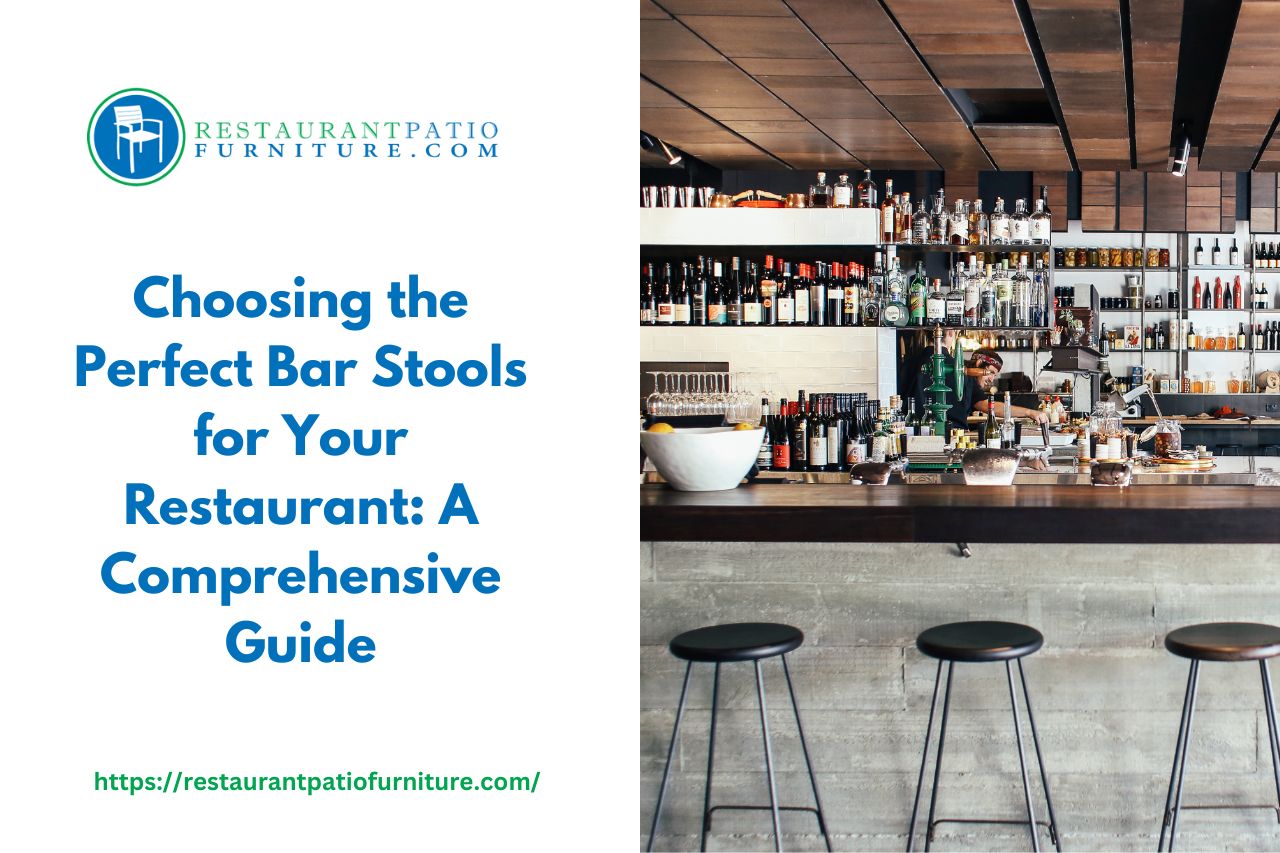
In the competitive landscape of the restaurant industry, creating a unique and inviting ambiance is crucial to attract and retain customers. While the menu, service, and overall design play significant roles in achieving this, the right choice of bar stools can make a world of difference. In this guide, we will explore the intricacies of selecting the perfect bar stools for your restaurant, ensuring you create an inviting and comfortable space that stands out from the rest.
Why Are Bar Stools Important for Your Restaurant?
Before delving into the details of how to choose the right bar stools, it’s essential to understand the importance of this seemingly minor element in your restaurant’s overall design. Bar stools contribute to the following key aspects:
1. Aesthetic Appeal
The design and appearance of your bar stools can enhance the overall aesthetic of your restaurant. They can help set the tone and theme for your establishment. Whether you’re aiming for a rustic, industrial, modern, or classic ambiance, the right bar stools can reinforce your chosen style.
2. Comfort and Seating Efficiency
Your customers’ comfort should be a top priority. Uncomfortable bar stools can deter patrons from staying longer or returning. Ergonomically designed and comfortable bar stools encourage customers to relax, socialize, and enjoy their time at your establishment.
3. Space Utilization
Effective space utilization is essential in restaurant design. Bar stools are an excellent choice for maximizing seating capacity, especially in smaller spaces. They take up less room compared to traditional chairs, allowing you to accommodate more guests.
4. Brand Identity
Your choice of bar stools can help reinforce your restaurant’s brand identity. Whether you want to convey a casual, upscale, or eclectic image, selecting the right bar stools that align with your brand is critical.
Now that we’ve established the significance of bar stools, let’s move on to the specifics of choosing the perfect ones for your restaurant.
How to Choose the Right Bar Stools
1. Consider the Height
Bar stools come in various heights to suit different bar or counter heights. Measure the height from the floor to the top of your bar or counter, and choose bar stools with an appropriate seat height. Common options include counter height (24-26 inches), bar height (28-30 inches), and extra-tall (33-36 inches). The right height ensures customers are comfortably seated at the bar.
2. Material Matters
The material of your bar stools should complement your restaurant’s decor and theme. Common materials include wood, metal, plastic, and upholstered seats. Each has its own unique appeal, with wood lending a warm and classic touch, metal offering a sleek and modern look, and upholstered seats providing comfort and style.
3. Backrest or Backless?
Deciding whether to opt for bar stools with or without backrests is a critical choice. Backless stools offer a minimalist and space-saving design, ideal for high-traffic areas. Bar stools with backrests, on the other hand, provide added comfort and support. Consider the intended use and aesthetics when making your decision.
4. Swivel or Stationary
Swivel bar stools offer flexibility and ease of movement, making them ideal for busy bars or restaurants where patrons often shift to socialize. Stationary stools, on the other hand, offer stability and are more suitable for fine dining establishments.
5. Footrests
A comfortable seating experience is incomplete without a footrest. Look for bar stools with a well-placed footrest that allows patrons to sit comfortably and enjoy their time at the bar.
6. Durability and Maintenance
Consider the durability of the materials and the ease of maintenance. Restaurant furniture experiences a high level of wear and tear. Choosing easy-to-clean materials that can withstand heavy use is essential for longevity and cost-effectiveness.
7. Test Before Buying
Always try out the bar stools before making a purchase. Encourage your staff to test them for comfort and usability. Ensuring that your bar stools meet the comfort and functionality criteria is crucial for both your customers and employees.
Conclusion
The choice of bar stools for your restaurant is more than just a seating decision; it’s an integral part of creating a welcoming and memorable dining experience. By carefully considering factors such as height, material, backrest, swivel options, footrests, durability, and taking the time to test them, you can ensure that your restaurant stands out in the competitive culinary landscape.
FAQs
The main difference between bar-height and counter-height stools is the seat height and the surface they are intended to accompany.
Counter-height stools typically feature seat heights between 24 and 26 inches and are designed for counters measuring around 36 inches high. Bar-height stools usually have seat heights between 28 and 30 inches and are made for bar-height tables and counters that measure approximately 40 to 42 inches.
Choosing the correct height is important because it directly affects comfort and usability. A stool that is too short or too tall can make dining uncomfortable and reduce legroom.
Matching the stool height to the counter or table creates a more functional seating arrangement and helps maintain a consistent experience throughout the space.
The number of bar stools that fit along a counter depends on the width of the stools and the amount of personal space provided between guests.
Restaurants should allow enough room for customers to sit comfortably, move in and out of their seats, and dine without feeling crowded. Spacing becomes particularly important during busy service periods when guests are entering and leaving frequently.
While exact measurements vary by layout, commercial dining spaces generally avoid placing stools too close together. Stools with backs often require slightly more room than backless models because of their larger footprint.
Planning appropriate spacing helps maintain traffic flow, improves the guest experience, and allows staff to move efficiently around the bar area.
The best material depends on where the stools will be used and how much traffic they will experience.
Metal bar stools are among the most popular of options because they provide strong support and hold up well in busy commercial environments. Wood bar stools are also widely used, particularly in restaurants seeking a more traditional appearance.
For upholstered seating, vinyl and PU upholstery are common choices because they are easier to clean than many residential fabrics. Outdoor bar stools often use aluminum, poly woven, or synthetic wicker because these materials are better suited for weather exposure.
Selecting materials based on location and usage helps create seating that performs well while maintaining its appearance over time.
Both options can work well, but each serves a different purpose. Backless bar stools are often selected by restaurants looking to maximize seating capacity and maintain flexibility. They slide completely under tables or counters when not in use, making them especially useful in smaller spaces and high-volume environments.
Bar stools with backs deliver additional support and are commonly found in full-service restaurants, lounges, and areas where guests are likely to remain seated longer. They also create a stronger visual presence within the room.
The decision usually comes down to balancing seating density, guest expectations, and the overall function of the space.
Comfort begins with selecting the proper stool height and leaving adequate space between seats. A correctly sized stool helps guests sit comfortably at the table or counter without feeling too high or too low. Footrests are also important because they give guests support while seated above standard chair height.
Stools with supportive backs or upholstered seats can make seating even more comfortable, especially in areas where guests tend to spend more time. Vinyl and PU upholstered seats are popular commercial options because they create a softer seating surface while remaining practical for restaurant use.
Remember, proper spacing and thoughtful stool selection often have a greater impact than extra padding alone.
Swivel and stationary bar stools each have their own advantages depending on the layout and intended use. Swivel bar stools allow guests to turn and reposition more easily, which can be useful around bar counters and in areas where access is somewhat limited. This extra mobility makes it easier for customers to sit down and leave their seats.
Stationary stools are often preferred in high-traffic environments because they feature a simpler design and fewer moving parts.
Many restaurants select stationary models for their straightforward construction and long-term durability. The best option depends on how the seating area functions and the type of experience the restaurant wants to create.
Routine cleaning is one of the most effective ways to maintain restaurant bar stools. Vinyl and PU upholstered seats can typically be wiped down quickly, making them well suited for busy dining environments. Metal and wood frames should also be cleaned regularly to remove buildup and maintain their appearance.
It is also helpful to inspect stools periodically for loose hardware, worn floor glides, or signs of structural wear. Addressing small issues early can prevent larger repairs later. Outdoor stools may require additional cleaning due to exposure to weather and debris.
Consistent maintenance helps extend the life of commercial seating and keeps the restaurant looking professional.
Yes, mixing bar stool styles can work very well when done intentionally. Many restaurants use different stool designs in separate areas to accommodate different functions. For example, a bar area may feature upholstered stools with backs, while a waiting area or patio incorporates backless metal stools to maximize space.
Maintaining a cohesive design direction is important. Materials, finishes, colors, and overall styling should complement one another, even when the stool designs differ. Mixing styles can add visual interest and help define separate zones throughout the restaurant.
When planned carefully, this approach creates a more dynamic environment without making the overall design feel disjointed.
The lifespan of commercial bar stools depends on the construction, materials, traffic levels, amount of usage, and maintenance practices.
Commercial-grade metal and wood bar stools are designed to withstand long-term use in restaurants, bars, and hospitality settings. Stools built with reinforced frames and quality upholstery generally remain in service longer than residential alternatives.
Regular cleaning and inspections can help extend their lifespan by identifying small issues before they become larger problems. Environmental conditions also matter, especially for outdoor seating.
While there is no single lifespan that applies to every stool, commercial models are built specifically for frequent use and can provide many years of service when properly maintained.