
Restaurant Tables Seating Capacity & Guide
The success of a restaurant often hinges on its ability to efficiently utilize its space and maximize its seating capacity. Finding the right balance between comfort and capacity can significantly impact the overall dining experience for guests and the profitability of the establishment. In this guide, we’ll delve into various strategies and considerations for optimizing restaurant table seating capacity while ensuring guest satisfaction remains a top priority.
Understanding Seating Capacity
Seating capacity refers to the number of guests that can be comfortably accommodated at the tables within a restaurant’s space. It’s not just about cramming in as many tables as possible but rather creating an environment that allows for smooth flow, ample space for diners, and efficient service.
Factors Influencing Seating Capacity
Layout and Space Planning
Assess the available space and create a layout that allows for easy movement of staff and guests.
Consider factors such as the shape of the tables, aisle width, and the placement of key features like the bar and kitchen.
Use versatile furniture that can be rearranged to accommodate different party sizes and configurations.
Different Restaurant Table Types
Bar Height Tables
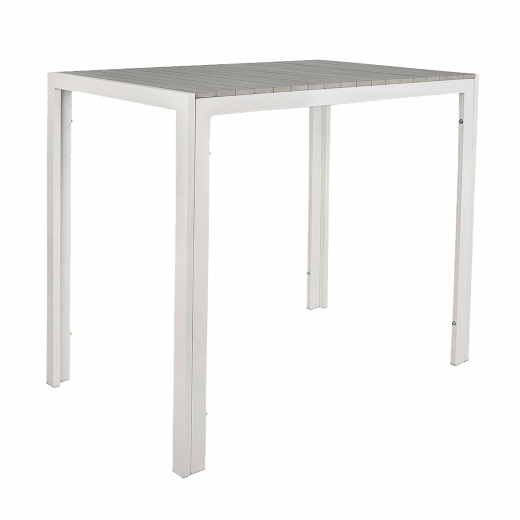
Bar height tables are typically taller than standard dining tables, standing at about 40 to 42 inches high. These tables are designed to accommodate bar stools or high chairs, creating a casual and social atmosphere conducive to standing or sitting upright. They are commonly found in bars, pubs, and casual dining establishments where patrons can enjoy drinks and light bites while engaging in conversation at eye level with the bartender or other patrons.
Family Dining Tables

Family dining tables are characterized by their larger size and sturdy construction, meant to accommodate multiple diners, often families or larger groups. These tables foster a sense of togetherness and are commonly found in family-style restaurants or home dining rooms. They provide ample space for dishes, platters, and shared meals, promoting a communal dining experience where everyone can gather around and enjoy each other’s company.
Booths
Booths are a popular seating option in restaurants, featuring fixed seating along one or more walls with a table in front. They offer a cozy and intimate dining experience, providing privacy and comfort for patrons. Booths come in various shapes and sizes, from single-seater booths to larger, curved booths suitable for groups. They are often upholstered for added comfort and style, enhancing the overall ambiance of the restaurant.
Outdoor Restaurant Tables
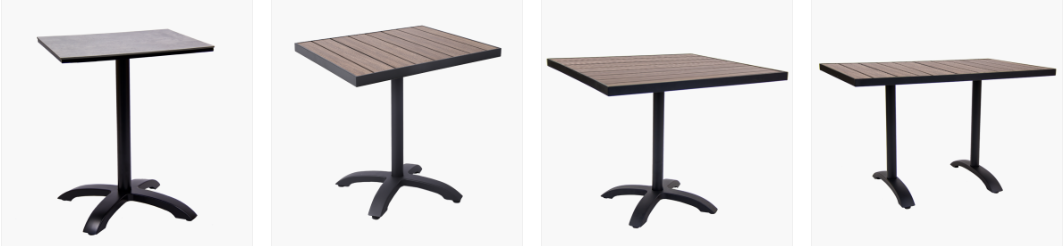
Outdoor restaurant tables are specifically designed to withstand various weather conditions while providing a pleasant dining experience al fresco. These tables are typically made of durable materials such as metal, wood, or synthetic rattan, capable of withstanding exposure to sunlight, rain, and wind. They often feature umbrellas or canopies to provide shade during sunny days and may be arranged on patios, terraces, or sidewalk cafes, offering customers the opportunity to dine outdoors and enjoy the surroundings.
Two to Four-Person Tables
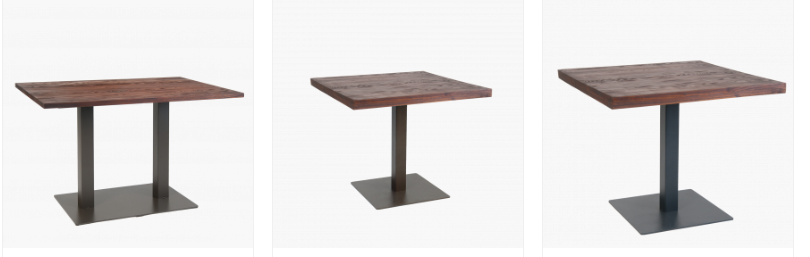
Two to four-person tables are versatile dining options suitable for couples or small groups. They are commonly found in cafes, bistros, and casual dining restaurants, offering a cozy and intimate setting for patrons. These tables come in various shapes, including square, rectangular, and round, and can be easily arranged to accommodate different party sizes. They are ideal for intimate conversations and are often paired with chairs or small benches for seating.
Rectangular Tables
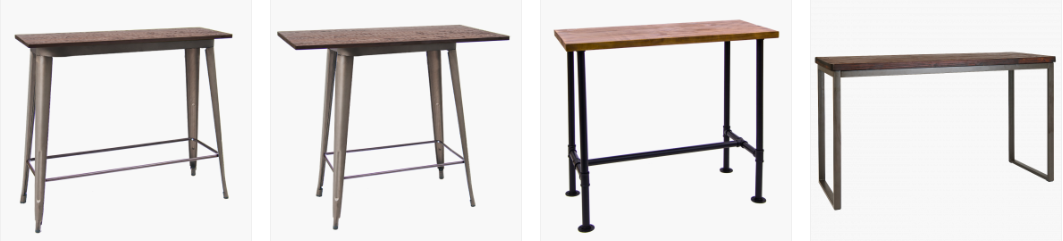
Rectangular tables are a classic choice for dining establishments, offering versatility and functionality. They come in various sizes, from small two-seater tables to long banquet tables capable of seating multiple diners. Rectangular tables are well-suited for maximizing space efficiency, as they can be easily pushed together to accommodate larger groups or arranged in rows for banquet-style seating. They are commonly
Round Tables
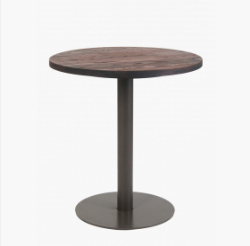
Round tables are known for their inclusive and social dining experience, as they allow all diners to engage in conversation without any barriers. They are particularly popular in fine dining restaurants, where they create an elegant and sophisticated ambiance. Round tables come in various diameters, accommodating different party sizes, and can be arranged in clusters for larger groups or spaced out for more intimate dining experiences. They promote a sense of equality among diners and are often favored for special occasions and celebrations.
Seating Configuration
Experiment with different seating configurations such as banquettes, booths, and traditional table-and-chair setups. Maximize corner spaces and alcoves by installing booths or banquettes, which can accommodate more guests while providing a sense of privacy. Ensure that there is ample space between tables to maintain privacy and prevent guests from feeling cramped.
Legal and Safety Regulations
Familiarize yourself with local regulations regarding occupancy limits, fire safety codes, and accessibility requirements. Ensure that seating arrangements comply with these regulations without sacrificing comfort or aesthetics. Regularly inspect furniture and fixtures to identify any potential safety hazards and address them promptly.
Strategies for Maximizing Seating Capacity
Implement Reservation Systems
Utilize reservation systems to manage table bookings and optimize seating capacity. Allocate specific time slots for reservations to ensure a steady flow of guests throughout the day.
Implement policies such as minimum spend requirements or time limits for each seating to maximize turnover.
Utilize Outdoor Space
If feasible, consider expanding seating capacity by utilizing outdoor spaces such as patios, sidewalks, or rooftops. Invest in weather-resistant furniture and heating or cooling systems to ensure comfort regardless of the weather conditions. Create an inviting outdoor ambiance with landscaping, lighting, and decor to enhance the dining experience.
Offer Flexible Seating Options
Embrace flexibility by offering a mix of traditional dining tables, high-tops, communal tables, and bar seating. Allow guests to choose their preferred seating option when making reservations to accommodate their preferences and group size. Train staff to efficiently manage seating assignments and adapt to changing reservation dynamics throughout the day.
Optimize Turnover
Streamline service processes to minimize wait times and maximize table turnover. Implement technology solutions such as mobile ordering and payment systems to expedite the dining experience. Encourage guests to order efficiently and promptly clear tables to accommodate incoming reservations.
Maintaining Guest Satisfaction
While maximizing seating capacity is crucial for profitability, it’s equally important to prioritize guest satisfaction to ensure repeat business and positive word-of-mouth referrals. Here are some tips for maintaining guest satisfaction:
Focus on Hospitality
Train staff to provide exceptional hospitality and personalized service to every guest. Anticipate guests’ needs and proactively address any issues or concerns to ensure a memorable dining experience. Foster a welcoming and inclusive atmosphere that makes guests feel valued and appreciated.
Monitor Feedback
Regularly solicit feedback from guests through comment cards, online reviews, and surveys. Use feedback to identify areas for improvement and implement changes to enhance the overall dining experience. Respond promptly and professionally to negative feedback, demonstrating a commitment to continuous improvement.
Prioritize Comfort
Make sure the seating setups are cozy and promote conversation. Pay attention to details such as lighting, acoustics, and temperature to create a pleasant dining environment.
Regularly maintain furniture and fixtures to prevent wear and tear that could detract from guest comfort.
Conclusion
Maximizing restaurant table seating capacity requires careful planning, strategic decision-making, and a commitment to guest satisfaction. By optimizing layout and space planning, utilizing flexible seating options, and implementing efficient reservation and service systems, restaurants can enhance profitability while providing an exceptional dining experience for guests. Balancing capacity with comfort and hospitality is key to long-term success in the competitive restaurant industry.